Certain years become synonymous with certain trends. 2018 shed light on millennial wine consumption. Some figures estimate the demographic made up nearly 40% of wine sales. Other shifts saw increases in organic farming and acquisitions by large conglomerates.
Looking forward to 2019, there are certain indicators of where the industry is headed based on movements that are already happening.
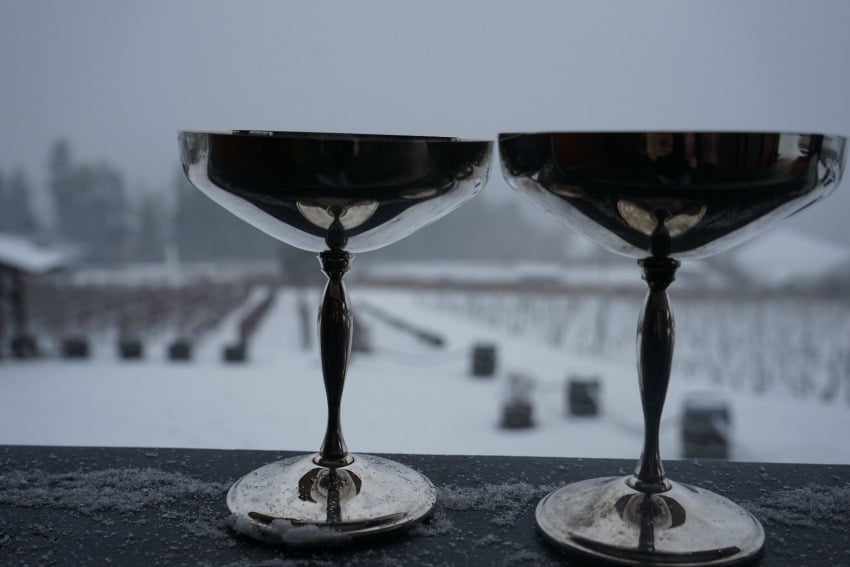 Photo Credit: Wine Print
New geographical indicators
BC is considered a "new world" wine producing region. This means we are not governed by any viticultural or winemaking rules that are common in more established regions like France, Italy or Spain.
What has set us apart as a region is our diversity and ability to experiment. However, with that comes criticism – are we trying to accomplish too much? How do we achieve a sense of cohesion as a region?
Today, we are relatively unknown for producing wine. The assumption, still, is that our sole product is ice wine.
Geographical indicators act as monikers that bring awareness to regions that produce high quality wine. Granting these areas with official names gives wineries the ability to legally label where their wine comes from – a hugely important movement that showcases how important place is in wine production.
Currently, there are six official geographical indicators (British Columbia, Vancouver Island, Gulf Islands, Fraser Valley, Similkameen Valley and Okanagan Valley) and two sub-geographical indicators (Golden Mile Bench and Okanagan Falls), with more regions currently under review.
Photo Credit: Wine Print
Natural wine
If you haven't heard of natural wine, listen up. Natural wine has been steadily growing in popularity, with crusaders like Alice Feiring and Marissa Ross waging a war on conventional wine. It makes sense natural wine is taking the world by storm, with organic farming, and veganism being more commonplace than ever. Expect to see a lot more natural winemakers popping up in BC in 2019.
Great natural producers in BC to give a try include Bella, Echo Bay and Little Farm.
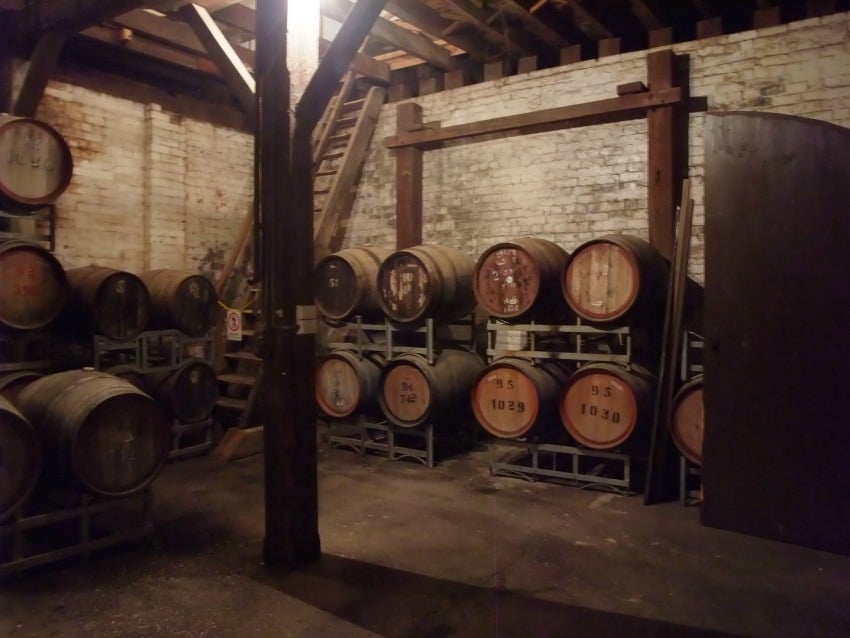 Photo Credit: Wikipedia
Virtual producers/garagistes
It's no secret that land in BC doesn't come cheap. With that in mind, some winemakers are opting to open "virtual wineries" wherein they purchase fruit and make the wine borrowing someone else's production facility.
There's no store front or tasting room – and generally production is very low – making them all the more exclusive. This allows winemakers to express their own style, flood the market with unique product and raise awareness of the region.
Generally, but not always, these producers tend to be out of the box thinkers and experiment with different varietals since they're not relegated to strict rules of large, corporate wineries.
Garagistes to give a try in BC: Black Cloud, A Sunday in August and Tall Tale.
Photo Credit: New States Man
Laura Milnes is a Kelowna native and local wine professional, operating her own wine and hospitality consulting company. Laura is WSET certified, and continually expands her wine knowledge through education, research and travel. You can find Laura hosting wine related pop up events and consulting with wineries throughout the Okanagan with a focus on wine education and training. The rare time Laura is not reading about, or tasting wine, you can find her travelling with her partner, cooking or doing DIY projects for her home. To learn more about wine check out her Instagram page @silkandcoupe.